Wellness
Five Evidence-Based Techniques to Reduce Daily Stress
As more Minneapolis residents report pandemic fatigue and post-summer stress, local experts recommend these proven ways to ease anxiety and boost mood.
4 min read
Updated 2 h ago
Wellness
As more Minneapolis residents report pandemic fatigue and post-summer stress, local experts recommend these proven ways to ease anxiety and boost mood.
4 min read
Updated 2 h ago
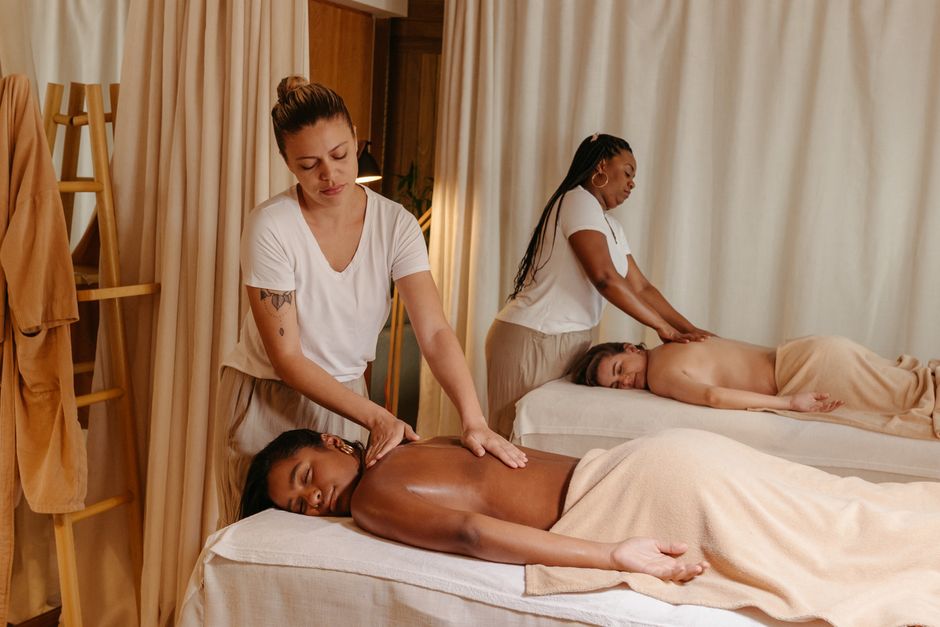
More Twin Cities residents than ever are reporting high levels of stress, according to new survey data from Hennepin Healthcare. As life settles after a busy Fourth of July, wellness professionals point to a handful of simple, science-backed methods to help Minneapolitans manage daily anxiety and pressure—no prescription required.
Concerns about rising temperatures, inflation and an unpredictable work landscape all contribute to rising stress. Hennepin County's most recent community health assessment, released in June 2026, found that 42% of adults in Minneapolis describe their stress as “moderate or severe”—an uptick from 35% just four years ago. “People are carrying a lot,” said Sarah Colby, director of community programming at the Minneapolis YWCA, which saw sign-ups for its mindfulness workshops double this past spring.
From the lakes in Uptown to the studios of Northeast, Minneapolis residents have long leaned on the city’s extensive green spaces and wellness culture to care for mind and body. The Midtown Greenway regularly hosts ‘mindful walking’ meet-ups organized by Satori Senior Wellness, and the Minneapolis Central Library on Nicollet Mall now offers free Wednesday lunchtime guided meditation sessions in partnership with NorthPoint Health & Wellness Center. These programs highlight the city's investment in making mental health care accessible and community-driven.
Minneapolis’s wellness practitioners agree: managing stress doesn’t have to mean dramatic lifestyle changes. Here are five techniques—supported by research—that locals are finding effective in 2026:
1. Movement Breaks
Whether a lap around Lake Harriet or joining a HIIT class at Alchemy 365 on St. Anthony Main, even a ten-minute burst of moderate exercise can reduce cortisol levels and lift your mood. The Mayo Clinic finds that just 150 minutes of brisk walking per week is linked to lower rates of anxiety and depression. In Minneapolis, city recreation centers offer free group fitness classes throughout the summer—check the schedule at Powderhorn Park’s Community Center or register online for citywide events.
2. Breathwork and Meditation
Guided sessions at the Central Library have seen weekly attendance jump from a dozen in early 2025 to over 40 this summer. Research from the University of Minnesota shows that daily breathwork can lower stress hormone responses by up to 25%—even 5 minutes of deep breathing (inhale for four, exhale for six) before bed can help calm racing thoughts. Apps like Insight Timer or Calm are popular, but beginners may prefer in-person community sessions at the YWCA Downtown or Eastside Neighborhood Services.
3. Digital Detox Hours
Minneapolis-based therapist networks such as Walk-In Counseling Center recommend carving out at least one device-free hour each evening. A 2025 Pew Research survey found that reducing social media by even 30 minutes per day correlated with improved sleep, better mood, and lower perceived stress, especially among young adults living in cities. Several Minneapolis bookshops, including Moon Palace Books on Minnehaha Avenue, now host monthly 'offline' gatherings and 'no-phone' nights.
4. Forest Bathing
The Japanese practice of shinrin-yoku—mindfully spending time in wooded areas—is gaining traction on the trails at Theodore Wirth Regional Park. The Minneapolis Park & Recreation Board offers guided Forest Bathing walks twice per month, with pay-what-you-can rates starting at $10. Studies at the University of Chicago have found participants experience a 21% decrease in physiological symptoms of stress after two hours in nature.
5. Routine and Accountability
Sticking to a regular sleep-wake schedule, meal times, and social connections is one of the most overlooked evidence-based ways to fight stress. NorthPoint Health & Wellness Center on Plymouth Avenue runs free drop-in support groups to help set daily routines, especially for adults struggling with anxiety.
Most of these strategies don’t require special gear or membership fees—just time and intention. For newcomers, Minneapolis Community Education courses offer affordable ($20 or less) 4-week introductions to mindfulness, yoga, and other relaxation skills. Many programs are sliding-scale or free; schedules for city park activities and wellness events are listed on the official Minneapolis Parks & Recreation website. For those seeking more support, local clinics such as Lyn-Lake Psychotherapy & Wellness have waitlists, but crisis resources are available through the Hennepin County COPE line at 612-596-1223.
In a city known for its creative communities and vibrant outdoors, these science-backed tools can help keep stress in check—so Minneapolitans can get back to enjoying a summer on the lakes, not just surviving it.

Wellness

Wellness

Wellness

Wellness
About this article
Published by The Daily Minneapolis
Spread the word
Daily brief
Free, in your inbox before 7am. Weekdays.
The Daily Network — local news across Australia