Wellness
Journaling as a Mindfulness Tool: How to Start
Pen, paper, and five minutes a day may be the most accessible mental wellness practice Minneapolis hasn't fully tried yet.
4 min read
Wellness
Pen, paper, and five minutes a day may be the most accessible mental wellness practice Minneapolis hasn't fully tried yet.
4 min read
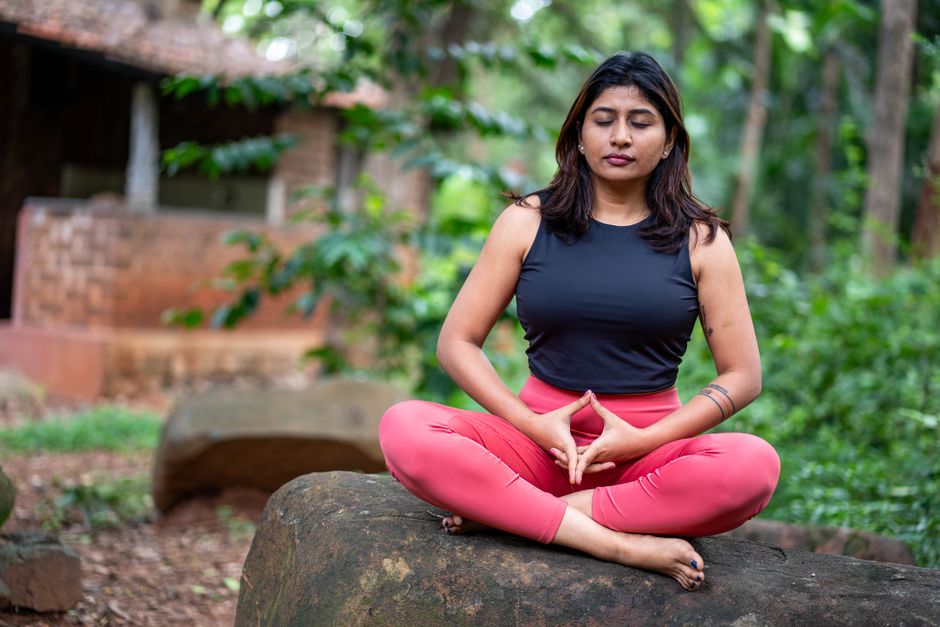
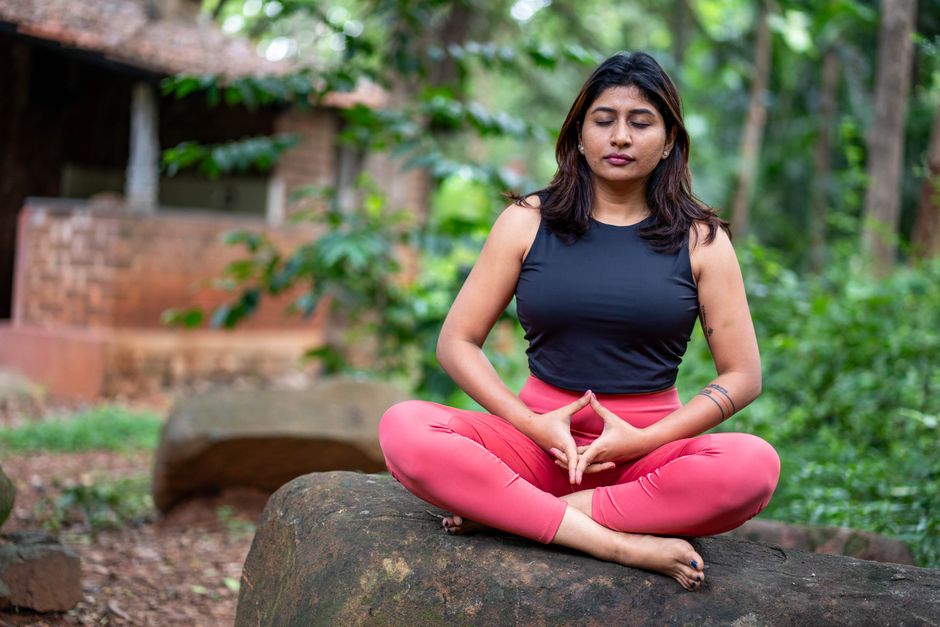
More Minneapolis residents are turning to journaling as a structured mindfulness practice, and local wellness instructors say demand for guided journaling workshops has climbed sharply since early 2026. It's cheap, portable, and backed by a growing stack of clinical research — yet most people who try it quit within two weeks because nobody taught them how to actually do it.
The timing matters. Stress indicators across Hennepin County remain elevated. A 2025 Minnesota Department of Health survey found that 34 percent of Twin Cities adults reported symptoms consistent with moderate anxiety, up from 28 percent in 2022. Meditation apps exploded during the pandemic years, but dropout rates are high and screen fatigue is real. Journaling asks you to put the phone down. That framing alone is resonating with a lot of people right now.
The Linden Hills neighborhood has become a quiet hub for the practice. Breathe Minneapolis, a wellness studio at 43rd and Upton Avenue South, added a Saturday morning journaling circle to its schedule in March 2026. The 75-minute session costs $18 and sells out most weeks. Instructor-led prompts guide participants through a short body-scan meditation before anyone picks up a pen — the idea being that you write from a calmer nervous system, not the one that just drove in from Uptown.
Meanwhile, the Minneapolis Central Library on Nicollet Mall has partnered with the nonprofit Mind & Body Minnesota to run a free six-week journaling program called Write to Calm, which launched its second cohort on June 9. Participants meet Tuesdays at noon in the library's third-floor meeting room. No prior writing experience is required, and the program explicitly frames journaling as a wellness tool rather than a creative writing exercise. As of last week, all 20 spots in the current cohort were filled, with a waitlist of eleven people.
The evidence supporting the practice is harder to dismiss than its low-tech profile might suggest. A 2018 study published in the Journal of Experimental Psychology found that expressive writing reduced intrusive thoughts and improved working memory under stress. More recent research from the University of Rochester Medical Center, cited in a 2025 review in Frontiers in Psychology, linked 15 to 20 minutes of daily journaling to measurable reductions in cortisol reactivity over an eight-week period. The key variable in almost every positive outcome: consistency over novelty. Writing every day matters far more than writing beautifully.
Practitioners and program facilitators in the Twin Cities offer a few specific entry points. First, ignore the blank page. Start with a single prompt rather than free-writing. Something as plain as "What is one thing I noticed in my body today?" is enough. The Breathe Minneapolis Saturday sessions use three rotating prompt categories — body awareness, emotional check-in, and gratitude specificity — cycling through them weekly so participants don't habituate and go numb to the exercise.
Second, keep the barrier to entry brutally low. A $3.99 composition notebook from the Target on Lake Street works as well as anything. Several Write to Calm participants have reported writing in their cars during lunch breaks on the days they can't make the library session. The Minneapolis Park and Recreation Board's wellness programming page lists six additional mindfulness-adjacent offerings for summer 2026, some of which incorporate reflective writing, and most are free or under $10.
Third, treat the first two weeks as an experiment, not a commitment. Missing a day is not failure — stopping entirely is. Research consistently shows that habit formation around journaling takes closer to 30 days than the often-cited 21-day figure, so building in grace from the start matters.
For anyone wanting a structured entry point before fall, the Write to Calm program at Minneapolis Central Library opens registration for its third cohort on July 14. Mind & Body Minnesota lists details at their Northeast Minneapolis office on Central Avenue NE. Start there. Bring a pen. The rest, as the practice tends to demonstrate, works itself out on the page.
About this article
Published by The Daily Minneapolis
Spread the word
Daily brief
Free, in your inbox before 7am. Weekdays.
The Daily Network — local news across Australia