Wellness
The Sleep Environment Checklist for Better Rest
From Powderhorn to Northeast, Minneapolis sleepers are rethinking what happens in the bedroom before the lights go out.
4 min read
Wellness
From Powderhorn to Northeast, Minneapolis sleepers are rethinking what happens in the bedroom before the lights go out.
4 min read
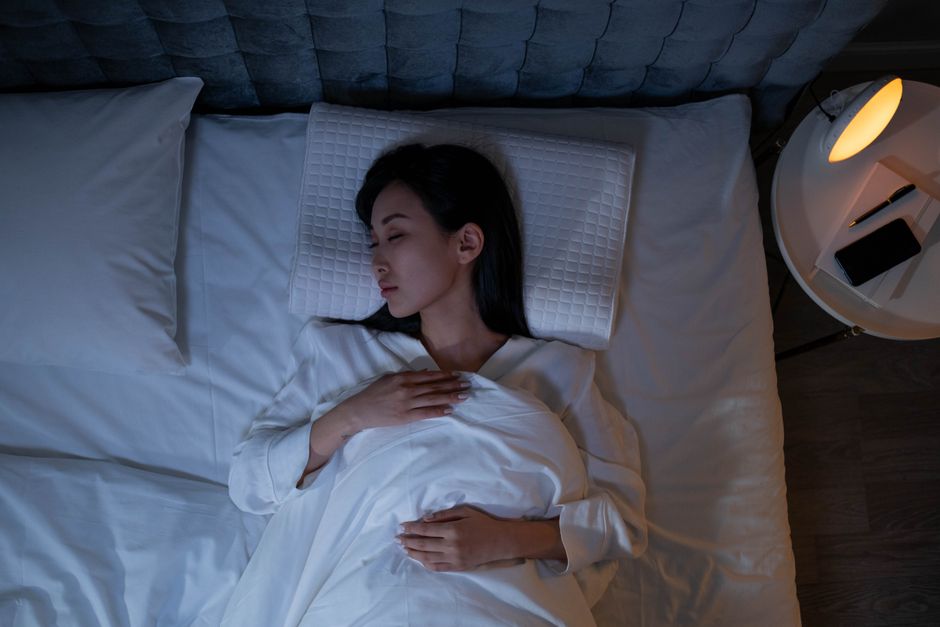
Most people in Minneapolis think they have a sleep problem. What they often have is a room problem. A growing body of research points to the physical environment — temperature, light, sound, clutter — as the primary driver of poor rest, yet the average Twin Cities resident spends more time optimizing their morning coffee order than they do the space where they spend a third of their life.
The renewed attention to sleep hygiene comes at a moment when Americans are logging measurably worse rest than they were a decade ago. The Centers for Disease Control and Prevention puts the share of U.S. adults getting fewer than seven hours of sleep per night at roughly 35 percent, and urban dwellers in high-density neighborhoods consistently score worse on self-reported sleep quality surveys. Minneapolis, for all its active wellness culture — the cycling corridors along the Midtown Greenway, the packed yoga studios on Nicollet Mall — is not immune. Light pollution from downtown's growing skyline and the ambient noise of Lake Street construction projects have become routine complaints at Hennepin Healthcare's sleep medicine clinic, which saw a 22 percent increase in new patient referrals between 2023 and 2025.
The checklist that sleep specialists consistently recommend has five pillars: temperature, light, sound, air quality, and clutter. Temperature is the most underestimated. The sweet spot for sleep onset sits between 65 and 68 degrees Fahrenheit — a range that Minneapolis residents can hit naturally for about four months of the year but must actively engineer during the city's punishing winters and increasingly humid July nights. A programmable thermostat set to drop two degrees at 10 p.m. costs nothing beyond the equipment, which runs between $30 and $180 at Home Depot on Nicollet Avenue South.
Light is the second lever. Blackout curtains are not a luxury item. A decent set from Calhoun Square's home goods shops runs about $45 per panel, and the payoff is measurable: research published in the journal Sleep in March 2025 found that participants sleeping in fully darkened rooms fell asleep an average of 12 minutes faster and reported significantly higher sleep quality scores over a four-week trial. For Northeast Minneapolis residents dealing with the 24-hour glow from the Xcel Energy facility near Central Avenue, that window treatment investment is nearly non-negotiable.
Sound is trickier. White noise machines — available at the Cub Foods on Franklin Avenue for around $35 — mask intermittent disturbances better than earplugs for most sleepers. The key word is intermittent. It's the siren that spikes at 2 a.m., not steady ambient noise, that fragments sleep architecture and suppresses the slow-wave cycles where physical repair happens.
Indoor air quality rarely makes the sleep conversation, but it should. Minneapolis winters seal homes tight for months, pushing indoor particulate matter and VOC levels higher than most residents realize. The Minneapolis Clean Air Partnership, a program administered through the city's Health Department on South 4th Street, offers free indoor air quality kits to residents in targeted zip codes including 55408 and 55412. Running a HEPA air purifier — budget models start at $60 — can reduce airborne allergens enough to ease nighttime nasal congestion, which is among the top five reasons people wake between 2 and 4 a.m.
Clutter is the last item on the list and the hardest to sell. A 2021 study out of St. Lawrence University found a direct correlation between bedroom disorder and difficulty falling asleep, particularly among women. The mechanism appears to be cognitive arousal — an untidy room signals unfinished business to the brain and delays the drop into parasympathetic rest.
For anyone wanting structured guidance, the University of Minnesota's Earl E. Bakken Center for Spirituality and Healing, located on the East Bank campus, publishes a free sleep hygiene protocol on its website that covers all five environmental pillars. The Linden Hills neighborhood's annual wellness fair, scheduled for September 12, 2026 at Creekside Community Center, will feature a dedicated sleep environment workshop this year — one of the first in the event's seven-year history. Walk-in consultations with a sleep coach will be free to attendees. That's a reasonable next step. As always, anyone with persistent sleep disruption should check in with a local physician or sleep specialist before assuming the problem is just a curtain purchase away.
About this article
Published by The Daily Minneapolis
Spread the word
Daily brief
Free, in your inbox before 7am. Weekdays.
The Daily Network — local news across Australia