Chronic stress is measurable, and right now the numbers are bad. The American Psychological Association's 2025 Stress in America report found that 77 percent of U.S. adults reported physical symptoms caused by stress in the past month, with work pressure and financial anxiety topping the list. In a city where the cost of a one-bedroom apartment in Uptown has crept past $1,400 a month and the tech and healthcare job markets have both tightened this year, Minneapolis residents are feeling that squeeze in their bodies as much as their bank accounts.
The good news is that evidence-based stress reduction doesn't require a therapist's waiting list or a $200 wellness retreat. Five techniques, all backed by peer-reviewed research, are accessible, affordable, and increasingly embedded in the fabric of daily life here.
Breathwork, Movement, and the Case for Cold Water
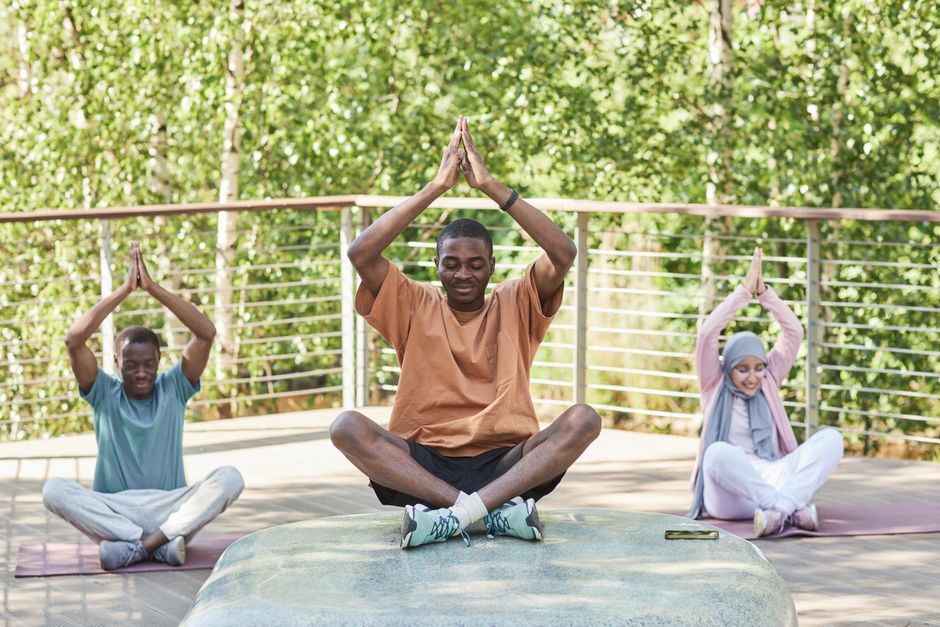
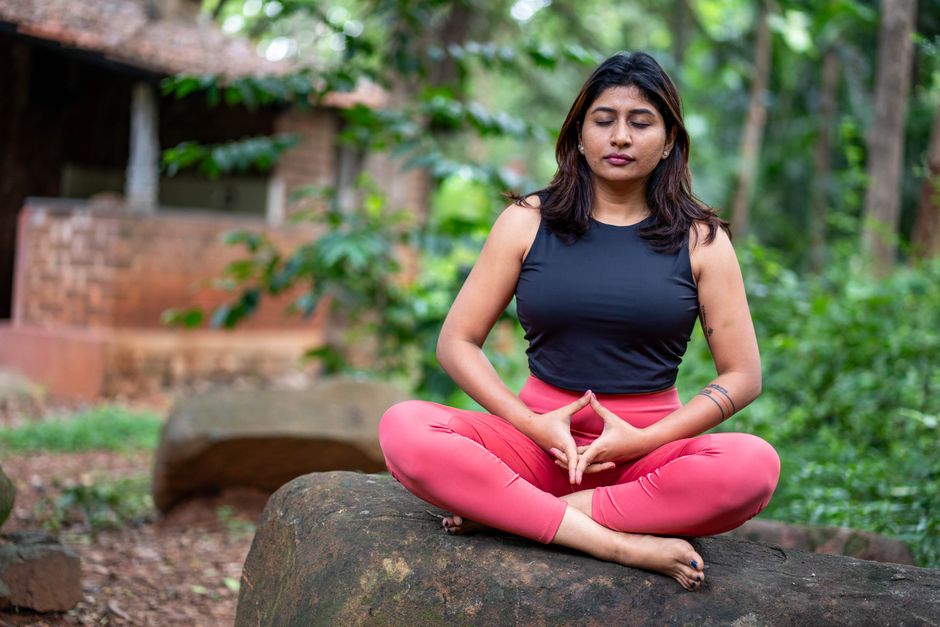
Start with diaphragmatic breathing. A 2023 study published in Frontiers in Psychology found that just five minutes of slow, controlled breathing — inhaling for four counts, exhaling for six — measurably reduced salivary cortisol in participants tested under acute stress conditions. The Midwest Mindfulness Center on Nicollet Mall in downtown Minneapolis offers free drop-in breathwork sessions every Tuesday at noon, a useful entry point for skeptics who want instruction before going it alone.
Second is structured physical movement, specifically aerobic exercise at moderate intensity for at least 30 minutes, three times a week. This isn't new advice, but the mechanism is better understood now: exercise reduces baseline levels of the body's stress hormones while stimulating endorphin production. The Minneapolis Park and Recreation Board maintains 97 recreation centers and parks across the city, including the popular Bde Maka Ska trail loop — a 3.2-mile circuit that draws thousands of walkers and runners daily through the summer months. Access is free.
Third is cold water immersion, which has moved from fringe biohacking into legitimate clinical discussion. A 2024 meta-analysis in PLOS ONE linked regular brief cold exposure — two to three minutes in water below 60°F — to reduced anxiety scores over six-week trials. Several Minneapolis wellness facilities, including the Nystrom & Associates-affiliated wellness space on West Lake Street and the Minneapolis YMCA locations in Calhoun-Isles and Northeast, have added cold plunge pools to their facilities in the past 18 months, with membership rates starting around $55 a month.
Sleep, Social Connection, and Why Journaling Actually Works
Technique four is sleep hygiene, specifically protecting a consistent sleep and wake schedule seven days a week. The Centers for Disease Control and Prevention flagged in 2024 that adults who sleep fewer than seven hours a night are three times more likely to report high psychological distress. Minneapolis's late summer sunsets — the sun doesn't set until nearly 9 p.m. in early July — can disrupt sleep onset. A blackout curtain and a phone-free bedroom are cheap interventions with real data behind them.
Fifth is deliberate social connection. Loneliness research from Brigham Young University quantifies the mortality risk of chronic isolation as equivalent to smoking 15 cigarettes a day. Minneapolis has structural advantages here: a dense network of community gardens, including the Dowling Community Garden in North Minneapolis and the Lyndale Farmstead near 40th and Lyndale Avenue South, gives residents low-pressure reasons to be around other people. Group fitness classes, neighborhood coffee shops along Marshall Street NE, and volunteer programs through Hennepin Healthcare's community outreach division all serve the same function — regular, low-stakes human contact that buffers stress responses over time.
None of these techniques demands dramatic life changes. The research consistently shows that small, regular doses of each practice compound over weeks rather than delivering overnight results. For Minneapolis residents dealing with July heat, a packed work calendar heading into the holiday weekend, and the general ambient noise of 2026, the most practical move is picking one technique and doing it consistently for three weeks before adding another. Anyone experiencing persistent or severe mental health symptoms should contact a licensed provider — Hennepin Healthcare's behavioral health line is reachable at 612-873-3161.