Wellness
How to Start a Walking Group in Your Neighbourhood
Minneapolis has the trails, the parks, and the culture — here's what it actually takes to get neighbours moving together.
4 min read
Wellness
Minneapolis has the trails, the parks, and the culture — here's what it actually takes to get neighbours moving together.
4 min read
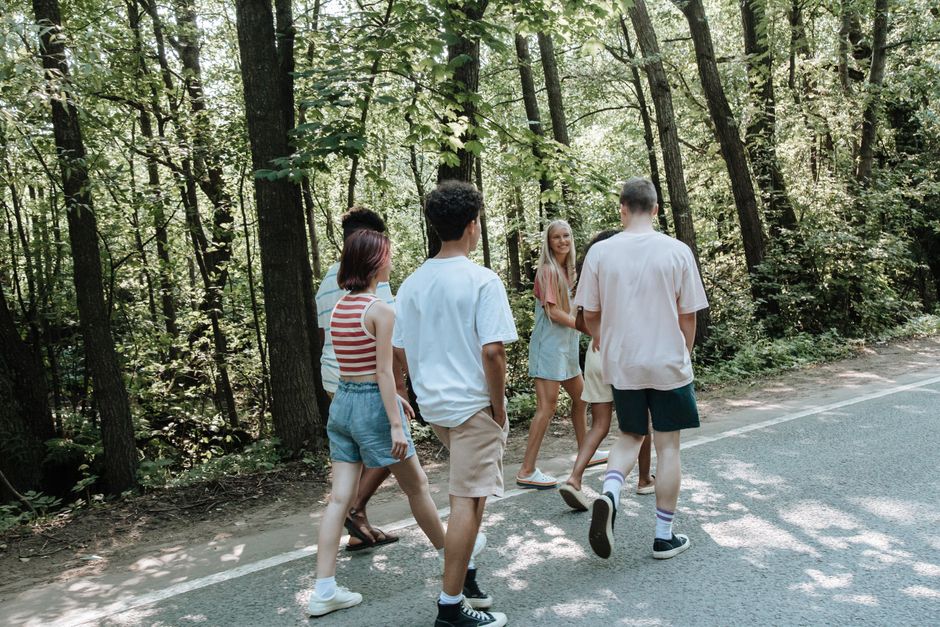
More Minneapolis residents are lacing up and heading outside this summer, and the simplest community fitness tool available costs nothing: a walking group. Neighbourhood-organised groups have been quietly multiplying across the city's park system since 2024, driven partly by Minneapolis Park and Recreation Board programming and partly by residents who got tired of walking alone along the Chain of Lakes loop.
The timing matters. Loneliness and sedentary behaviour spiked hard during the pandemic years, and public health researchers have spent the last three years documenting the fallout. The U.S. Surgeon General's 2023 advisory on loneliness estimated that social isolation carries health risks equivalent to smoking 15 cigarettes a day — a figure that public health professionals in Hennepin County have cited repeatedly in recent outreach materials. Walking groups address both problems at once. They get people moving, and they stitch neighbours back together.
Minneapolis is unusually well-equipped for this. The city's 180-plus parks and 55 miles of off-street trails give would-be organisers almost embarrassing options for routes. The Midtown Greenway, running roughly six miles from the Chain of Lakes east to the Mississippi River, is one of the most heavily used corridors in the Upper Midwest. Minnehaha Creek Trail, the paths around Lake Harriet, and the North Loop's riverfront walkways along West River Parkway are all flat, well-lit, and accessible by transit.
Every successful walking group starts small. Organisers who have built durable groups through Minneapolis Park and Recreation Board's "Move More Minneapolis" initiative — which launched in spring 2025 across six community recreation centres, including Webber Park in North Minneapolis and the Midtown Recreation Center on 31st and Elliot — consistently say the same thing: recruit five committed walkers before you announce anything publicly. Those five become the social spine. When turnout dips on a rainy Thursday, they still show up, and that consistency is what makes a group feel real rather than experimental.
Logistics matter more than most first-time organisers expect. Pick one day, one time, one meeting spot, and hold it for at least six weeks before varying the schedule. Early evening walks between 6 p.m. and 7:30 p.m. tend to draw the widest demographic mix in Minneapolis neighbourhoods, particularly in Longfellow, Seward, and Powderhorn, where younger renters and established homeowners share the same sidewalks. Saturday morning slots work well in Linden Hills and Fulton, where the Minnehaha Creek Parkway is accessible within a short walk for most residents. Free apps like Meetup and Nextdoor have both proven effective for recruiting; Nextdoor in particular has strong penetration in older Minneapolis neighbourhoods where Facebook activity has declined.
The first week draws curiosity. The third week reveals who is actually committed. Groups that make it to the two-month mark typically share a few structural habits: a designated route with a clear turnaround point, a brief five-minute social pause mid-walk, and at least one person willing to send a reminder message the night before. None of that requires money or formal organisation.
For groups that want more structure, Minneapolis Park and Recreation Board offers free "Walk Leader" training sessions, with the next cohort scheduled for late August 2026 at the Minneapolis Rowing Club facility near Theodore Wirth Park. The sessions cover pacing for mixed-fitness groups, basic route safety, and how to handle weather cancellations without losing momentum. Registration is open at minneapolisparks.org and capacity is capped at 24 participants per session.
Start in July. The daylight window runs past 9 p.m. right now, which means even a 7:30 p.m. walk feels safe and social. By the time October shortens the evenings, a group that has been meeting for three months will have the habit and the social bond to keep going in the dark — or move inside to the Bde Maka Ska Community Center's indoor track, which opens to the public at no charge on weekday mornings. Consult your physician before beginning any new exercise program, particularly if you have cardiovascular or joint concerns.
About this article
Published by The Daily Minneapolis
Spread the word
Daily brief
Free, in your inbox before 7am. Weekdays.
The Daily Network — local news across Australia