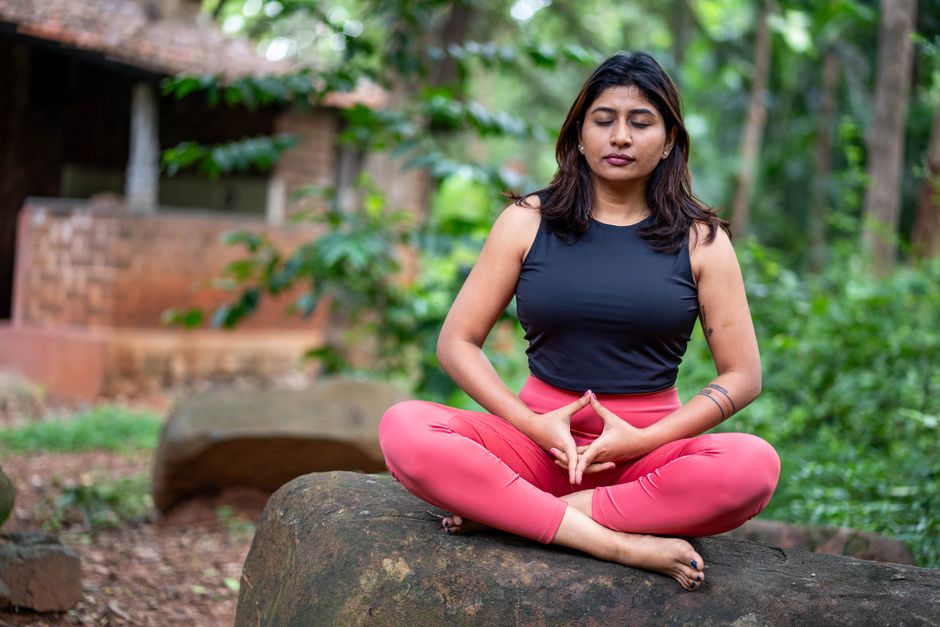
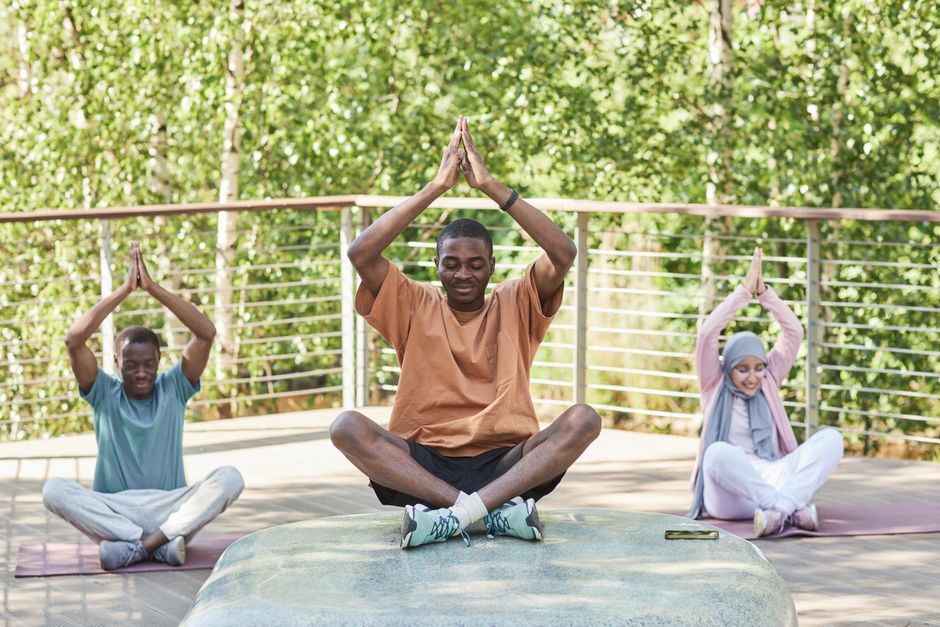
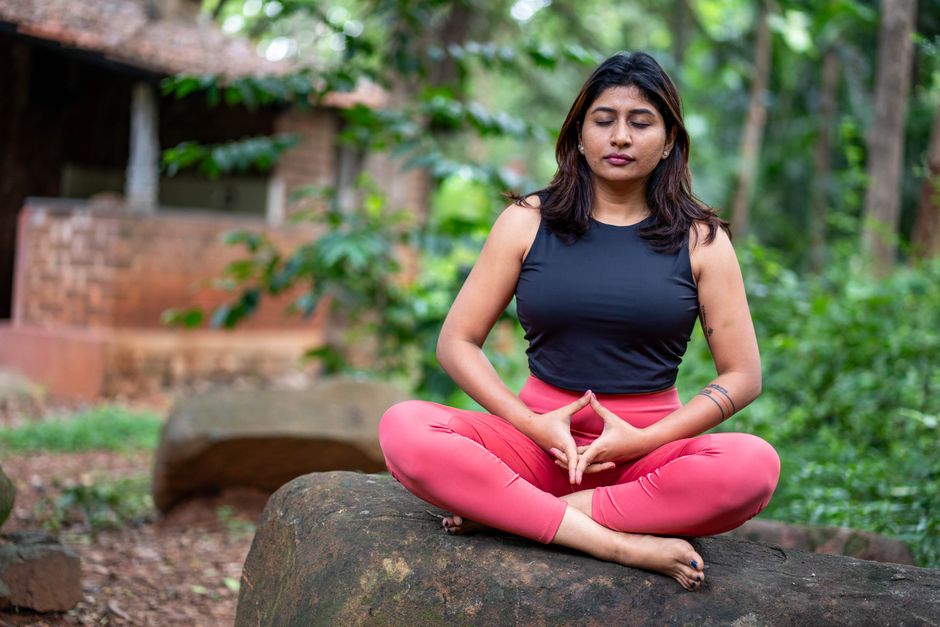
Minneapolis Public Schools expanded its partnership with the Niroga Institute's DynamicMindfulness curriculum to 14 district schools this fall, the broadest rollout of a structured mindfulness program in the district's recent history. The expansion covers roughly 4,200 students across grades three through eight, with weekly sessions built directly into the school day rather than offered as an optional after-school add-on.
The timing matters. Pediatric mental health referrals at Hennepin Healthcare climbed 31 percent between 2022 and 2025, according to the health system's community report released last March. School counselors in Minneapolis have been vocal about the gap between demand for mental health support and available licensed staff. Mindfulness programming, advocates argue, doesn't replace therapy but it does give kids a daily tool to manage anxiety before it reaches a crisis point.
What's Actually Running in Minneapolis Classrooms Right Now
The Niroga curriculum isn't the only game in town. The Mind Body Awareness Project has been running eight-week residencies at several North Minneapolis schools, including those in the Jordan and Near North neighborhoods, since 2019. Trained facilitators go into classrooms twice a week, leading students through breathing exercises, body scans, and simple seated meditation. The residencies cost districts nothing directly — the program operates on a grant-funded model and last year drew support from the Minneapolis Foundation.
On the South Side, Southside Family School near the Powderhorn Park neighborhood has embedded a daily two-minute mindfulness break into its morning circle routine for the past three school years. Staff there completed a 12-hour training through Search Institute, a Minneapolis-based research organization that studies youth development. The training runs about $275 per educator when purchased outside of district-level contracts.
The Minnesota Department of Education doesn't yet require any formal mindfulness curriculum, but its 2025 Social-Emotional Learning framework explicitly names self-regulation and emotional awareness as competency targets for K-12 students, which has given school administrators political cover to dedicate instructional minutes to these practices without facing pushback about academic time.
The Evidence Behind the Push
A 2024 meta-analysis published in the journal School Mental Health examined 61 school-based mindfulness programs across the United States and found that students who participated in structured eight-week programs showed a statistically significant reduction in self-reported anxiety scores compared to control groups. The effect was strongest in students ages 10 to 14. That age range maps closely onto the middle school population Minneapolis programs are currently prioritizing.
Locally, the University of Minnesota's Earl E. Bakken Center for Spirituality and Healing has tracked outcomes at two pilot schools in the Minneapolis district since 2023. Preliminary internal data shared at a May 2026 community forum at Augsburg University showed that teacher-reported classroom disruptions dropped by roughly 18 percent in rooms where mindfulness sessions occurred at least three times per week. The center is expected to publish full findings later this year.
For parents and educators looking to get involved, the entry points are practical. The Mind Body Awareness Project accepts school referrals through its website and typically places new school partners on a one-semester waitlist. Educators interested in self-directed training can register for the Bakken Center's four-day Mindfulness in Education certificate course, offered each August at the center's location on Delaware Street SE on the University of Minnesota campus; the 2026 session runs August 10 through 13 and costs $595. Minneapolis Public Schools staff qualify for a $150 district subsidy on that fee.
Students don't have to wait for school programs to catch up, either. The YMCA of the Greater Twin Cities introduced a free after-school mindfulness club at its Blaisdell Avenue location in the Whittier neighborhood last January, open to kids ages eight through fourteen every Tuesday at 4 p.m. No registration is required for drop-in attendance. For families wanting something more structured, the Como Park-based nonprofit Breathe for Change offers youth workshops on a sliding-scale model beginning at $10 per session. Anyone weighing whether a specific program suits their child's needs should talk to a pediatrician or school counselor first.