Property
Battle Lines Drawn: Community Opposition to New Minneapolis Development, Both Sides Explained
Residents clash with developers in Uptown and Linden Hills as city weighs new density proposals.
3 min read
Property
Residents clash with developers in Uptown and Linden Hills as city weighs new density proposals.
3 min read
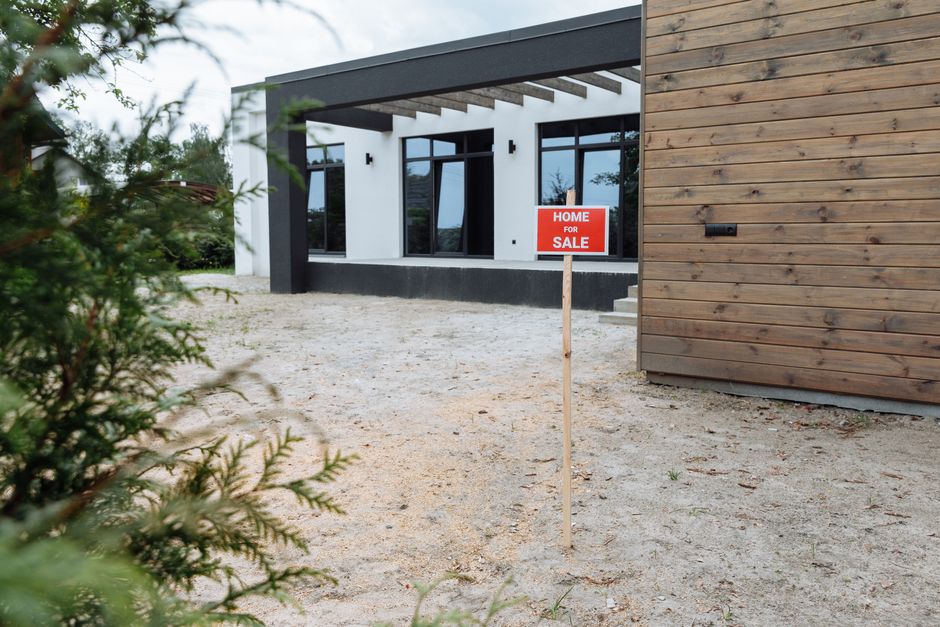
A battle over the future shape of Minneapolis is brewing this summer, as a pair of large mixed-use developments in Uptown and Linden Hills have become flashpoints for contentious debate between neighborhood groups and developers. On Thursday, the city planning commission acknowledged a record 640 written submissions opposing or raising concerns about the proposed seven-story block at West Lake Street and Humboldt Avenue South—an unusually high level of community engagement for this type of project.
The fight reflects a pivotal moment for Minneapolis as planners continue to loosen zoning regulations in response to a historic shortage of affordable housing. Since the city’s 2040 Plan took effect in 2020, enabling denser development on transit corridors, tensions have settled into a familiar pattern: city officials and developers tout new apartments as a necessity, while activists and homeowners worry about traffic, scale, and neighborhood character. With the city’s population projected to top 470,000 by 2030, the stakes are high and the divisions stark.
At the center of the storm is The Lakeview, a proposed 143-unit building by Northstar Development replacing a single-story retail strip near Bde Maka Ska. The Uptown Neighborhood Association circulated a letter last week decrying the project’s height and “out-of-scale” design. Meanwhile in Linden Hills, the 44th & France Redevelopment, planned by Urban Gateways, faces a lawsuit from nearby residents banking on the area’s historic overlay protections. Critics fear lost sunlight, clogged intersections at West 44th Street, and strains on already overburdened parking. “If we allow this precedent, all of Linden Hills could change forever,” wrote chair Lisa Peterson in a June update.
Developers and city staff point to a different set of numbers. Minneapolis added just under 2,400 new rental units in 2025, according to the Downtown Council, but the city’s vacancy rate ticked down for the third year running, hovering at 3.8% as of April. Median rent for a new one-bedroom in Uptown is now $1,675, data from Minnesota Housing Partnership shows—a 14% jump since 2023. Supporters of infill projects argue that opposition risks stalling momentum on much-needed supply, setting back ambitious citywide housing goals.
The city’s own 2025 Housing Report highlighted that nearly 20,000 additional units are needed by the end of the decade if Minneapolis is to meet growing demand and stem further price hikes. Recent numbers show 41% of renter households are now cost-burdened, spending over 30% of their income on housing. Opposition groups, meanwhile, routinely cite traffic studies, school enrollment data, and the city’s own carbon-neutrality targets—alleging that density, if poorly managed, could strain roads and disrupt established green spaces like Thomas Lowry Park or provide insufficient transit connections.
City planning manager Joel Martinez confirmed the next steps for both Lakeview and 44th & France remain under review, pending public hearings this month. Residents wishing to comment can submit feedback via the city’s online meeting portal or attend the July 15th hearing at City Hall. For other neighborhoods facing similar projects, resources are available through the Minneapolis Office of Community Planning, which hosts regular workshops explaining zoning changes and public participation rights. With lawsuits filed and council votes looming, the debate isn’t cooling down anytime soon—and in the end, the shape of Minneapolis may depend on just how much say its residents have in what gets built, and where.
Property

Property
Property

Property
About this article
Published by The Daily Minneapolis
Spread the word
Daily brief
Free, in your inbox before 7am. Weekdays.
The Daily Network — local news across Australia