Property
Minneapolis Property Prices: Cooling Down or Catching Up? A 2026 vs. 2021 Market Snapshot
Twin Cities real estate is shifting gears—today’s numbers tell a story far different from the frenzied heights of five years ago.
3 min read
Property
Twin Cities real estate is shifting gears—today’s numbers tell a story far different from the frenzied heights of five years ago.
3 min read
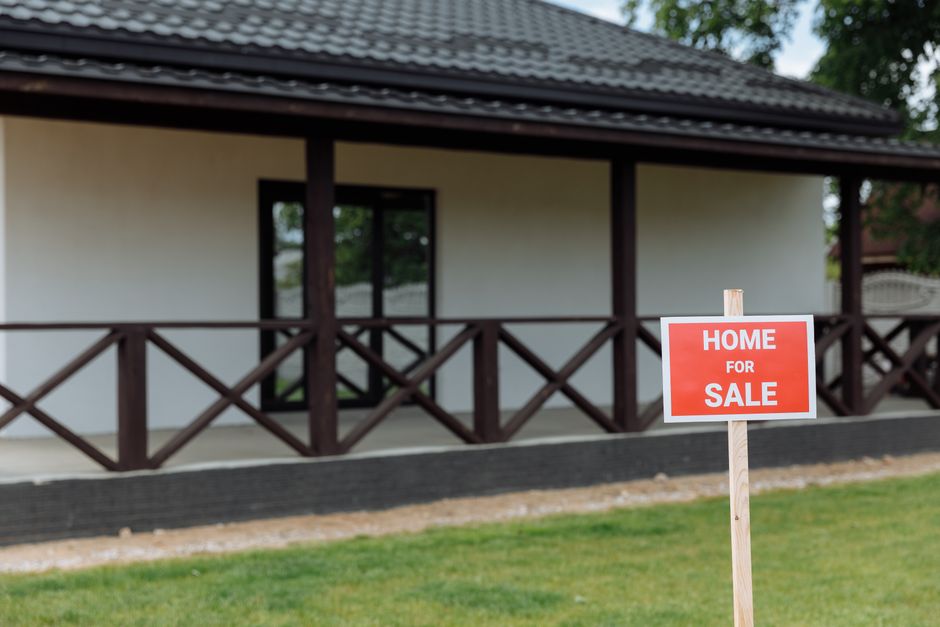
Median home prices in Minneapolis have stabilized at $354,000 this summer, up just 2.4% year-over-year, a world away from the double-digit surges that defined the 2021 housing boom. While the city’s realtors point to steadier times, buyers and sellers are quick to recall the frenzied open houses and record-breaking prices that swept neighborhoods from Linden Hills to Northeast during the pandemic’s real estate frenzy.
This moderation matters. Back in 2021, buyers commonly bid $25,000 or more over asking, with homes often snapped up within 72 hours. The COVID-fueled demand spree upended local expectations, pricing out many first-time buyers and sparking concern on how sustainable the increases could be. Now, as mortgage rates hold firm above 6.5% and inflation cools, Minneapolis’ property market appears to have entered a new, less volatile phase—giving buyers more time and sellers more reason to adjust their expectations.
Walk along Penn Avenue through Bryn Mawr, and for-sale signs linger longer than they did five summers ago. Downtown’s North Loop, once ground zero for luxury condo bidding wars, now posts steady but unspectacular price gains, as noted by local brokerage Edina Realty’s July update. The city’s affordable housing sector hasn’t been immune: organizations like Twin Cities Habitat for Humanity report subtler increases in demand compared to 2021, when competition for starter homes in Standish, Powderhorn, and Longfellow was particularly fierce.
Buyers’ expectations are shifting as well. “Open houses are busy, but not crazed,” reported a Windom Park listing agent last week. Many sellers, especially around Lake Nokomis and Tangletown, have taken to offering closing cost credits or minor renovation incentives—an unthinkable tactic in 2021’s breakneck market.
According to Minneapolis Area Realtors, the city closed 1,224 residential transactions in June 2026, down 17% from the same month in 2021. The average listing spends 21 days on the market, up from just 9 days at the height of the boom. Inventory is finally trending up, with 3,010 active listings at the end of June—representing nearly two months’ supply, compared to barely three weeks’ supply throughout 2021.
Rental trends mirror the shift. Data from NorthstarMLS shows average rents for a one-bedroom Uptown apartment hovering at $1,460 this quarter—only a 1% increase since 2025, contrasting sharply with the 11% jump that tenants weathered between March 2020 and March 2022. New developments, such as the mixed-use project near Target Field, are hitting the market with more moderate price tags than their pre-pandemic predecessors.
Industry analysts at Greater Minneapolis Housing Board say today’s market puts the power somewhere in the middle. Sellers shouldn’t expect a repeat of 2021’s bidding frenzies, while buyers need to be realistic about prices holding firm above pre-pandemic levels. For those waiting on the sidelines, experts point to stable mortgage rates through Q4 and steady—not spectacular—price appreciation for the rest of 2026. As city planners and groups like Project for Pride in Living expand affordable housing options from Cedar-Riverside to North Minneapolis, the city’s real estate landscape is settling into a new normal: less drama, more negotiation, and a distinctly different rhythm from the turbocharged cycle of five years ago.

Property
Property

Property

Property
About this article
Published by The Daily Minneapolis
Spread the word
Daily brief
Free, in your inbox before 7am. Weekdays.
The Daily Network — local news across Australia