Property
How Much Rent Is Too Much? The 30% Rule in Practice for Minneapolis Tenants
As Minneapolis rents rise, working residents struggle to balance the old rule of thumb against a hot housing market.
4 min read
Property
As Minneapolis rents rise, working residents struggle to balance the old rule of thumb against a hot housing market.
4 min read
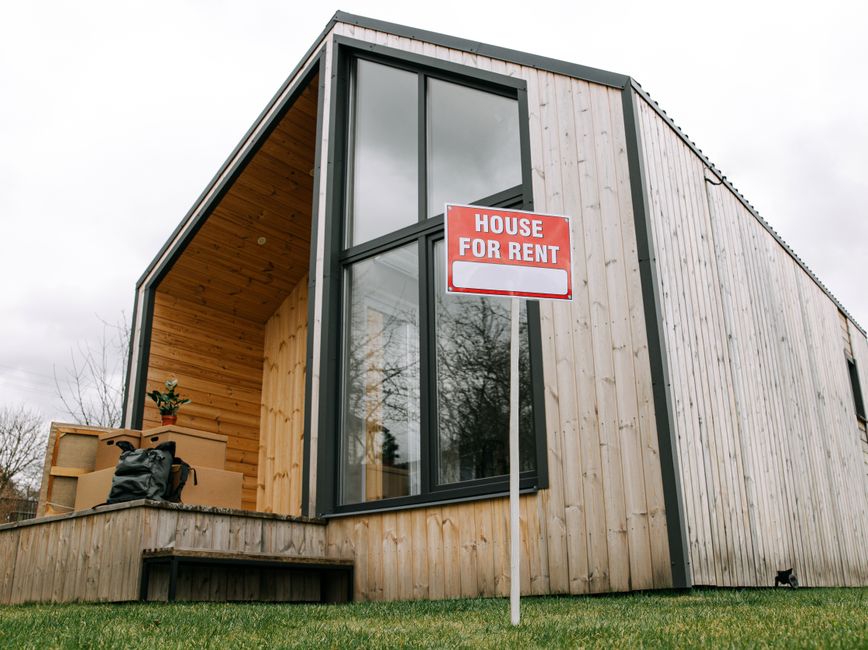
In Uptown Minneapolis, a one-bedroom apartment averages $1,540 per month this summer—well above what many experts say renters should take on if they're following the 30% rule.
The formula is simple: don’t spend more than 30% of your pre-tax income on housing. But with vacancy rates near historic lows and rents still inching up, Minneapolis households are finding that this piece of personal financial gospel is tough to stick to. Bouncing between an intense rental market and rising home prices, more Minneapolis residents are asking: is 30% still a realistic cap, or is the city’s housing landscape rewriting the rules?
Minneapolis’ rental affordability crunch is nowhere more visible than along West Lake Street, where luxury complexes intermingle with older walk-ups. The Lyndale Neighborhood Association reports a 40% jump in requests for rental assistance in the past year, with similar stories at the Powderhorn Park Neighborhood Association just two miles south. Local nonprofit Aeon, which manages affordable housing sites across Hennepin County, has seen application waitlists swell since early 2025.
The challenge isn’t reserved for high-priced buildings. One-bedroom units in Cedar-Riverside command a median rent of $1,220 according to June 2026 figures from the Minneapolis Area Association of Realtors. For a household earning the city’s median income—about $66,500—that means spending just under 22% of income. But for many working in retail, hospitality, or the arts, with salaries around $40,000, a $1,220 rent eats up 37%—well above the recommended threshold. In some neighborhoods, like Northeast’s popular St. Anthony Main, rents have climbed nearly 7% year-on-year since July 2025 per data from RentCafe.
Recent data from the U.S. Census Bureau shows 54% of Minneapolis renters spent more than 30% of their income on housing in 2025. That’s up from 48% just two years ago, driven by both higher rents and relatively stagnant wages in many industries. Comparisons with Milwaukee and St. Paul show Minneapolis slightly higher in rent-burdened households, putting many at risk of housing instability through unplanned expenses or changes in employment.
Some programs do offer relief. The City of Minneapolis operates the Stable Homes Stable Schools initiative, offering short-term rental assistance to families in the Minneapolis Public Schools district at risk of homelessness. Still, demand chronically outpaces available funding. Habitat for Humanity Twin Cities reports its “open house” events for new down payment grant recipients in June drew record attendance from renters hoping to become buyers, highlighting just how many are eager to exit the unstable rental merry-go-round.
Financial planners at Northeast-based Prepare + Prosper advise tenants to calculate all monthly expenses before committing, noting transportation, utilities, and food can quickly tip the balance. "If you’re close to 30% and still can’t save or pay for essentials, the budget isn’t working," said a spokesperson.
With a heated market showing few signs of cooling, Minneapolis tenants are adapting. More are splitting multi-bedroom apartments in Whittier and Marcy-Holmes, or seeking side gigs to supplement income. Some opt for longer commutes, looking as far as Brooklyn Center or Richfield for lower rents, even as the city debates new affordable construction requirements for developers in the North Loop and Uptown areas.
Experts say prospective renters should carefully list all non-rent living costs and keep an eye on programs like the city’s Renters’ Credit and Hennepin County’s Emergency Assistance grants. Keeping rent under 30% of income remains a smart goal—if it’s still achievable. For many Minneapolis residents, the answer to "how much rent is too much?" is becoming: whatever forces you to sacrifice savings, cut out basics, or puts you perpetually one paycheck behind. In the meantime, rising demand and tight supply keep testing the old rules—and the city’s resolve to help its renters find stability.

Property

Property
Property

Property
About this article
Published by The Daily Minneapolis
Spread the word
Daily brief
Free, in your inbox before 7am. Weekdays.
The Daily Network — local news across Australia