Technology
Minneapolis Launches Biochar Facility, Solar Projects to Meet Climate Goals
New biochar facility, startup funding and solar projects advance city climate goals while prompting scrutiny over scale, equity and long-term outcomes.
Listen in English · 2 min
How we reported this
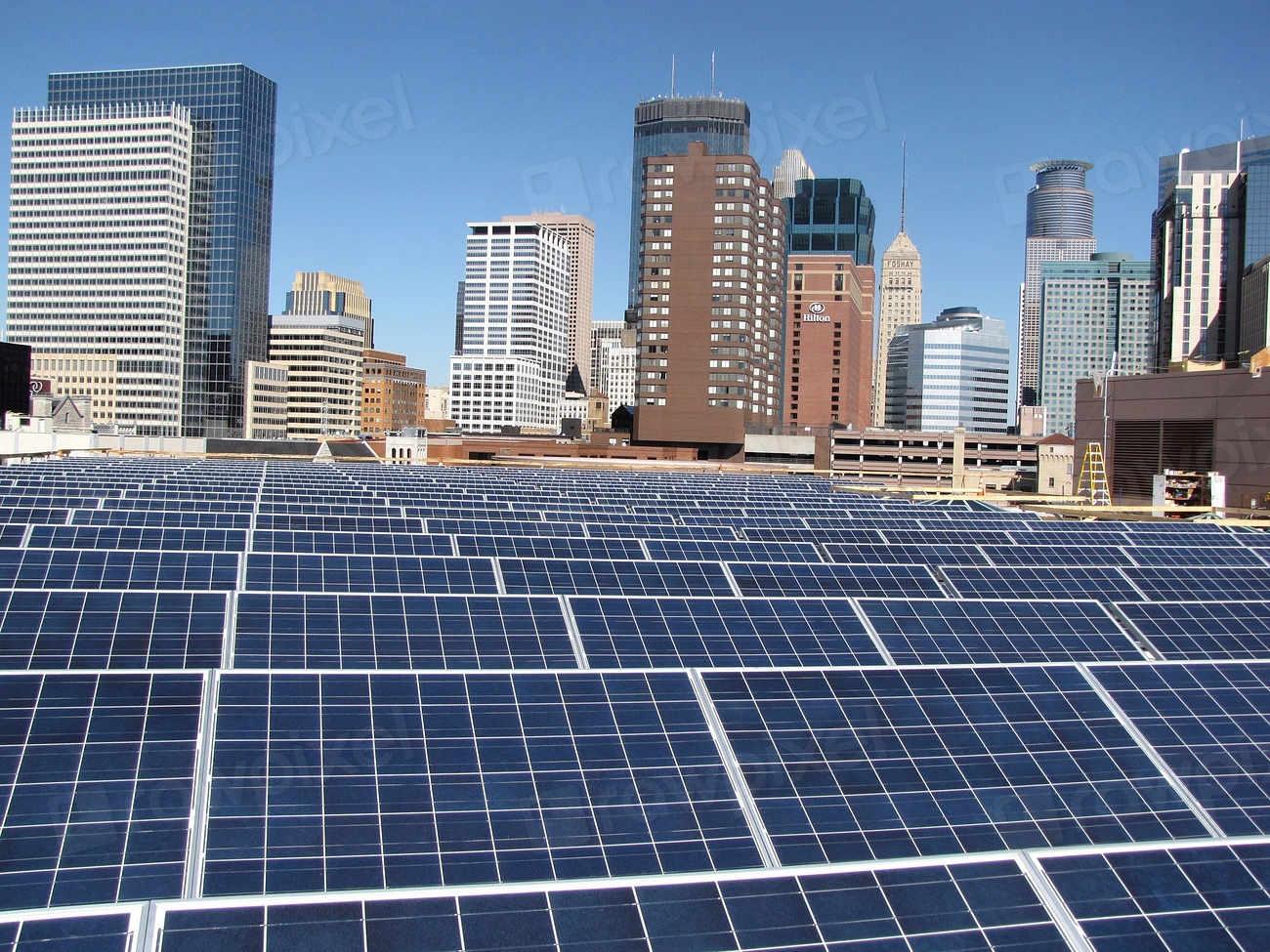
Minneapolis is breaking ground on the first municipally owned biochar facility in the U.S., which will produce over 5,000 tons of biochar annually to remove an estimated 3,700 tons of CO₂. The project forms part of broader efforts to cut emissions through local infrastructure.
Climate Equity Plan Sets Long-Term Direction
The city adopted its Climate Equity Plan in 2023 with a goal of becoming carbon neutral community-wide by 2050, supported by the Green Cost Share Program for energy-saving technology. This framework guides multiple initiatives aimed at reducing greenhouse gases across neighborhoods.
Funding and Startup Support in Place
The city launched the $3 million 'Minnesota Energy Alley' initiative to replicate 'Medical Alley' for energy, providing seed funding for cleantech startups like Aza Power Systems and Carba. Funding for large-scale greenhouse gas reduction projects in Minneapolis ranges from $175,000 to $500,000, covering innovations like direct air carbon capture, electrification, and solar plus storage.
Measured Progress in Startup Growth and Installations
Minneapolis has seen a 25% rise in cleantech startups since 2022, with new solar installations on seven buildings and 10 bus shelters in the Energy Innovation Corridor reducing pollution by 170 metric tons yearly. These steps demonstrate concrete activity tied to the 2023 plan.
Questions remain about how projects will scale, how benefits will reach all communities, and what risks could arise from rapid technology deployment. City programs continue to allocate resources while residents and officials weigh practical challenges in meeting the 2050 target.
Next steps include continued rollout of the biochar facility and review of funded projects under the existing Climate Equity Plan and Green Cost Share Program.