property
Minneapolis Downtown Office Values Plummet 11-39% as Developers Pivot Suburban
The city's top towers lost between 11% and 39% of assessed value in 2025, while industrial and amenity-rich suburban office spaces attract new capital.
Listen in English · 4 min
How we reported this
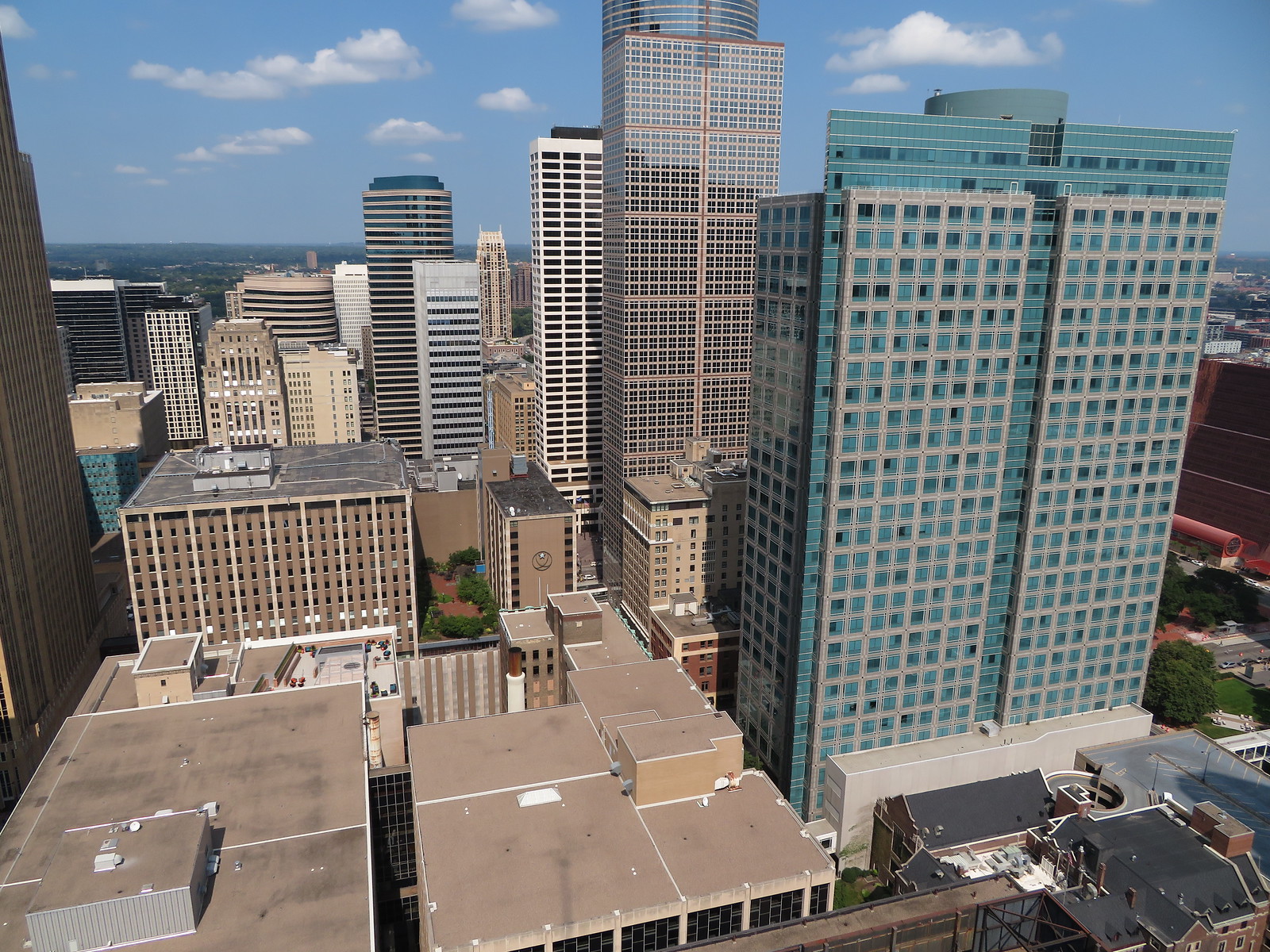
Minneapolis, Downtown Minneapolis commercial property values fell 9.5% in 2025, dropping the city's total estimated market value to $9.4 billion, according to city assessment data. The 6.9% decline from the prior year reflects a deepening recalibration in the office sector, where the top five towers, including Capella Tower, Wells Fargo Center and IDS Center, saw assessed values tumble between 11% and 39%.
Suburban and industrial real estate buck the trend
While downtown office vacancy has risen only 2.1% since the pandemic, the market is not uniformly sluggish. Industrial real estate and smaller, amenity-rich suburban office spaces are seeing dynamic transaction activity and fresh capital, according to recent commercial real estate reports. Developers are increasingly targeting properties in suburbs such as Edina and Bloomington, where flexible floor plans and on-site amenities are drawing tenants who have downsized from downtown.
Tax base shift hits homeowners
The decline in commercial values is reshaping Minneapolis's tax base. Commercial properties now account for 26.8% of the city's total tax revenue, down from 28.9% before the reassessment. That shift means a larger share of the property tax burden is falling on homeowners, many of whom are already grappling with rising housing costs. The trend has sparked discussions at City Hall about potential adjustments to commercial property tax rates or new incentives to attract businesses back to core office districts.
Wells Fargo Center sale underscores market reset
The Wells Fargo Center, a 57-story tower along Nicollet Mall, sold for $85 million in 2024, a stark contrast to its $315 million sale price in 2019, when it was 85% occupied. The roughly 73% drop in transaction value illustrates the scale of the downtown office market's revaluation. Brokers say the building's current occupancy is lower, though exact figures are not publicly available. The sale has become a benchmark for how lenders and investors are pricing risk in the central business district.
What happens next
City planners and developers are watching several factors that could stabilise the downtown market: conversion of obsolete office space to residential use, expansion of the city's adaptive reuse program and continued investment in transit connections like the Southwest Light Rail extension. For now, most new development capital is flowing to industrial parks near the Minneapolis-Saint Paul International Airport and suburban office campuses with gyms, cafes and outdoor gathering spaces. The downtown office market is unlikely to recover to pre-pandemic peaks, but the shift toward mixed-use and industrial projects could bring a different kind of vitality to the broader region.
This article is general information only and is not personal financial or investment advice. Consider your own circumstances and seek licensed professional advice before making financial decisions.