lifestyle
Minneapolis Gardeners Tend Daily Plots Through Late July Peak Season
Residents tend home gardens and lawns with practices timed to the current season.
How we reported this
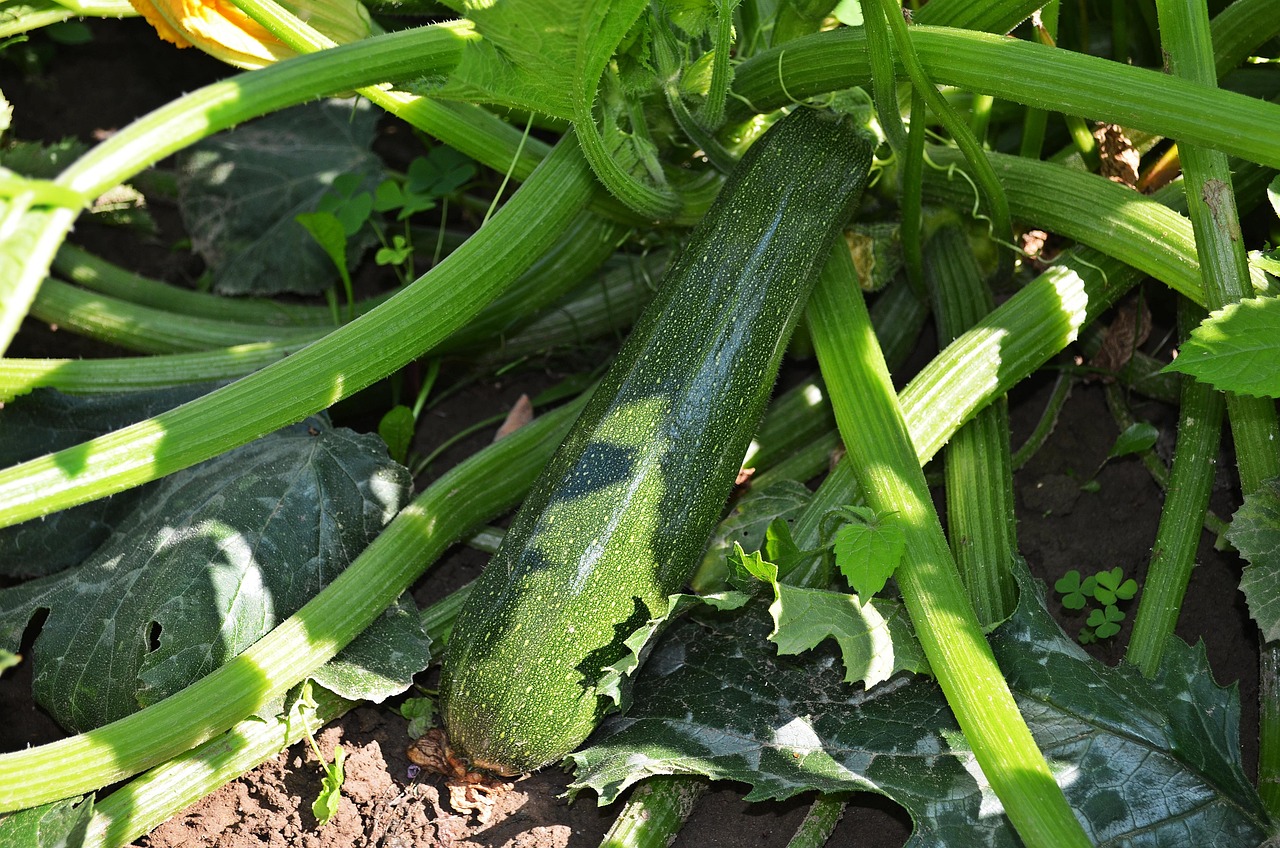
In Minneapolis during late July, gardeners should start sowing fall vegetable seeds like carrots, beets, kale, and radish, and plant fall transplants such as broccoli and cabbage.
Timing Fall Crops
Minneapolis residents who maintain vegetable gardens adjust their plantings now to match the remaining growing window. They place seeds and transplants directly into beds prepared for cooler months ahead. This step links daily routines of local gardeners to the seasonal calendar.
Watering Lawns and Trees
Lawns and newly planted trees in the Minneapolis area require 1 to 1.5 inches of water per week, applied as thorough soakings rather than light sprinklings to reduce evaporation. Homeowners set irrigation schedules around these amounts so that established plantings receive consistent moisture during peak summer heat.
Adjusting Mower Height
Mower blades in Minnesota should be set to at least 2 3/4 inches high during the hot summer months to protect the lawn from heat stress. Residents who follow this setting notice their grass holds up better between cuts and requires fewer interventions.
Arranging Garden Rows
Taller plants in a Minnesota vegetable garden should be positioned along the northerly edge to prevent them from shading lower-growing crops and reducing productivity. Gardeners who map their beds this way keep sunlight available across the full plot throughout the day.
Waiting on Warm-Season Crops
Warm-season crops like tomatoes and peppers should only be planted in Minneapolis once nighttime temperatures are consistently above 50 degrees Fahrenheit. Those who track evening readings avoid setting out these plants too early and instead focus current efforts on the fall selections already underway.
These steps form the core of ongoing home and garden work for Minneapolis residents who return to their yards each week. The practices tie personal effort to measurable outcomes in soil, grass and harvest. Gardeners continue the cycle by monitoring conditions and repeating the same timed actions as the month closes.