culture
Minneapolis Chefs Blend Indigenous Traditions With Global Immigrant Culinary Heritage
From Indigenous traditions to immigrant-led culinary districts, the city’s identity is built on a layered history of influence.
How we reported this
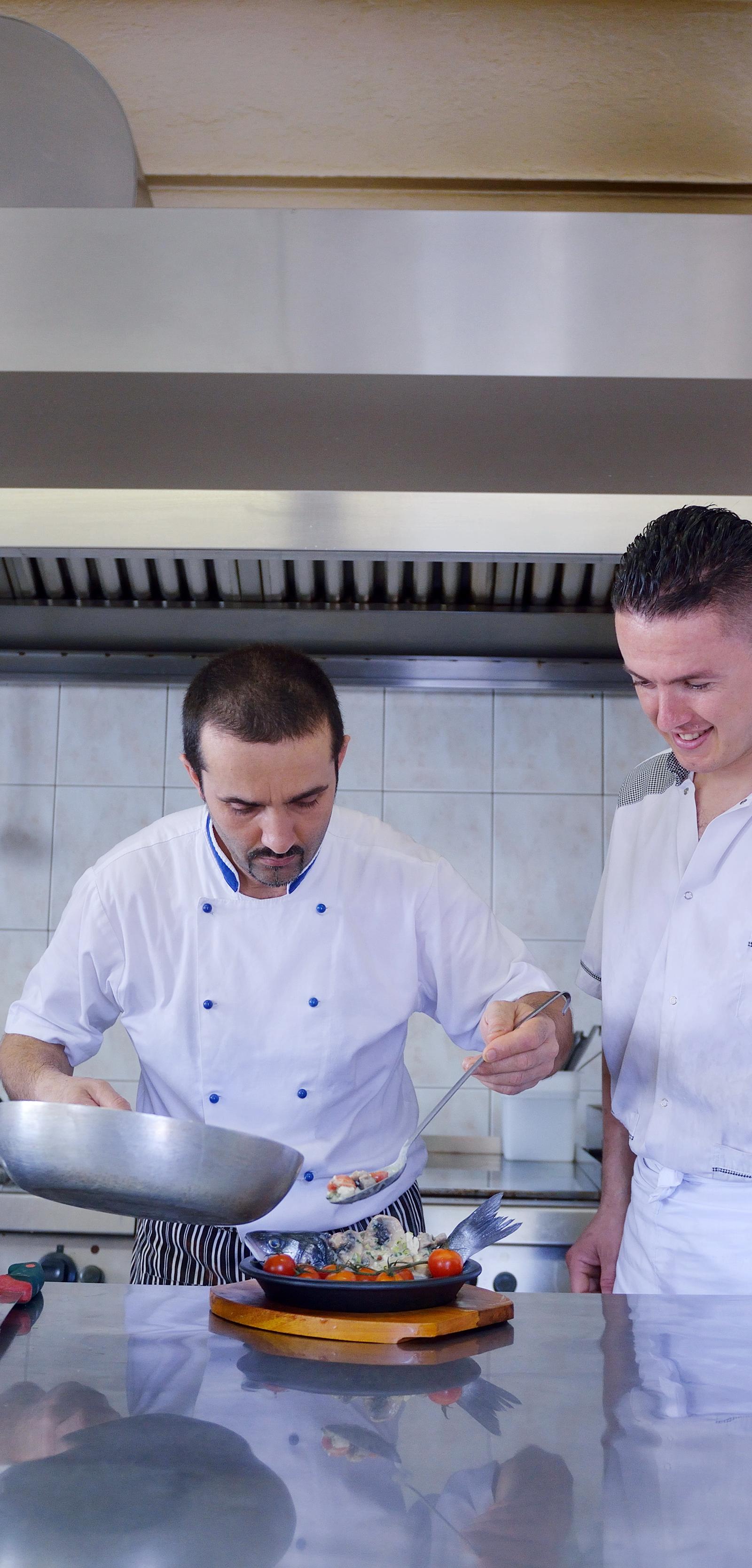
Minneapolis possesses a culinary landscape defined by its layered history, where centuries-old traditions meet modern global influences. The city’s food culture is structured around seven distinct Cultural Districts, each acting as a hub for authentic international cuisines. This framework reflects a deep-rooted immigrant and Indigenous history that continues to shape how residents and visitors experience the local dining scene.
The Pillars of Local Heritage
The culinary identity of Minneapolis is marked by a blend of long-standing comfort foods and globally diverse traditions. The city is widely recognized for specific dishes that carry a local reputation, such as the Juicy Lucy-a burger featuring molten, cheese-stuffed meat-and the traditional Minnesota hotdish, typically prepared as a casserole topped with tater tots. Other staples include wild rice soup and lefse, a Norwegian flatbread that traces its roots to the wave of 19th-century Scandinavian immigration. These Nordic traditions remain a cornerstone of the regional food culture, manifesting in the enduring popularity of Swedish meatballs, gravlax, and cardamom-scented baked goods.
Global Influences and Cultural Districts
The city's global reach is evidenced by the diverse populations that call Minneapolis home. According to reported data, the city maintains the largest Hmong population in the U.S. and the largest Somali population in North America. These communities have significantly influenced the local palate, introducing authentic staples such as Hmong sausage and Somali sambusas into the city's broader food culture. These flavors are prominently featured across the seven Cultural Districts, which provide a platform for Ethiopian, Eritrean, Somali, Hmong, Vietnamese, Thai, and Laotian culinary traditions to flourish.
Indigenous Food Traditions
Beyond immigrant contributions, Indigenous cuisine serves as a primary pillar of the Minneapolis dining environment. Rather than being treated as a novelty, traditional ingredients such as wild rice and bison are central to the city’s culinary narrative. The restaurant Owamni serves as a clear example of this approach; it has received national recognition, including a James Beard Award, for its dedication to traditional Indigenous food practices that honor local history.
For those looking to explore this history, the Cultural Districts offer a practical way to engage with the city’s background. Visitors and residents alike are encouraged to look toward these established districts to experience the authentic dishes that define the Minneapolis food scene.
Produced with AI assistance and reviewed against our editorial standards. Sources are linked where available. Spotted an error or need a correction? Contact corrections@dailynetwork.news.